
Aviator Game Development: How to Build a Provably Fair Crash Game
Introduction to Aviator Game Development
The online casino and iGaming industry is evolving at lightning speed, with innovative game formats continuously capturing the attention of players worldwide. Among these, the "crash game" genre has emerged as one of the most exciting and rapidly growing segments in the entire gambling sector. The undisputed king of this genre is the Aviator game, a title that has revolutionized the way players experience betting online. If you are an entrepreneur, an iGaming operator, or a game studio looking to capitalize on this massive trend, understanding the ins and outs of Aviator game development is absolutely essential to your future success.
In this comprehensive, exhaustive guide, we will delve deep into the world of crash games, exploring their underlying mechanics, the psychological reasons behind their explosive popularity, and the detailed step-by-step process of developing a successful crash game like Aviator. Whether you are looking to build a straightforward clone or innovate upon the existing formula to create the next big thing, this article will serve as your ultimate blueprint for Aviator game development, covering everything from conceptualization to deployment and beyond.
What are Crash Games?
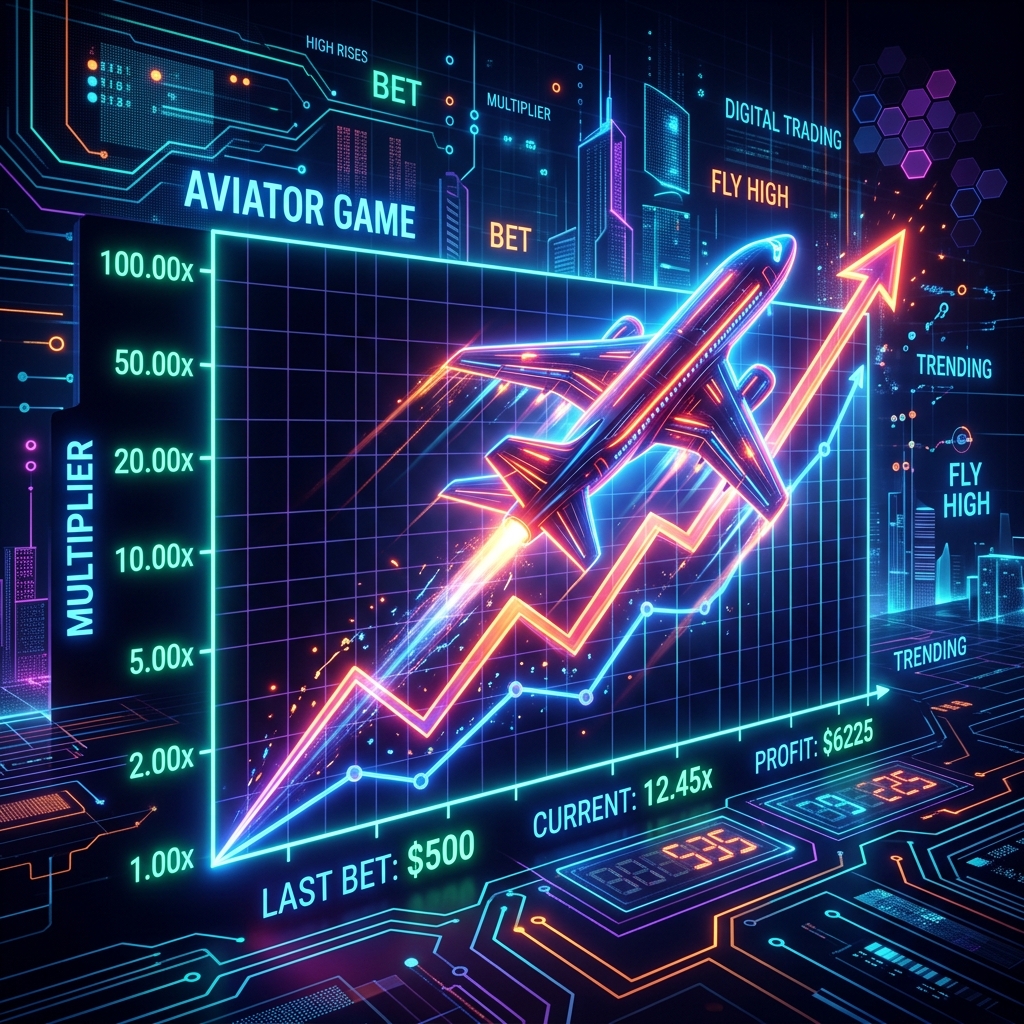
Before diving into the complex development process, it is crucially important to fully understand what crash games actually are. A crash game is a type of multiplayer, fast-paced casino game where players place bets on a continuously increasing multiplier. The visual representation on the screen often involves a vehicle—such as an airplane, a rocket ship, a hot air balloon, or even a cryptocurrency stock graph—ascending upward. As the object ascends, the numerical multiplier increases exponentially. However, there is a catch: the object can "crash" or fly away at any given random moment.
Players must make a split-second decision to cash out their bets before the crash occurs in order to win the corresponding multiplier applied to their original stake. If they fail to cash out in time and the crash happens, they lose their initial wager entirely. The Aviator game, developed by the innovative studio Spribe, popularized this engaging concept by featuring a simple, sleek red airplane. Its minimalist design, combined with high-stakes tension and integrated social features, made it an absolute massive hit across global markets. The underlying beauty of crash games lies in their core simplicity and the intense psychological thrill of the risk-versus-reward dilemma. Players are constantly torn between cashing out early for a guaranteed small win or holding on for just a few seconds longer for a potentially massive multiplier, risking everything in the process.
Why Are Aviator and Crash Games So Incredibly Popular?
The unprecedented, meteoric success of Aviator and similar crash games is certainly not a coincidence. Several key factors contribute to their massive appeal among a wide variety of players across different demographics. Understanding these driving factors is absolutely vital for any game development project aimed at successfully capturing and retaining this enthusiastic audience.
1. Complete Simplicity and Broad Accessibility
Unlike traditional, old-school casino games like poker, blackjack, or baccarat, which require players to learn complex rules, hand rankings, and intricate betting strategies, crash games are incredibly intuitive and straightforward. Literally anyone can understand the basic premise within a matter of seconds: place a bet, watch the multiplier grow larger, and click cash out before it crashes. This remarkably low barrier to entry makes crash games incredibly appealing to both seasoned, high-rolling gamblers and casual players who just want some quick entertainment.
2. Provably Fair Cryptographic Technology
Trust is an absolutely significant concern in the online iGaming industry, where players often worry about rigged software. Aviator introduced and popularized the concept of "Provably Fair" technology to a much broader mainstream audience. This advanced cryptographic technology allows players to mathematically verify the fairness of each and every round independently. By ensuring that the outcome is genuinely random and completely impossible to be manipulated by the casino operator, crash games build a remarkably strong foundation of trust and transparent relationship with their player base.
3. Deeply Social and Interactive Elements
Aviator is deliberately not just a solitary, lonely gambling experience; it is designed to be a highly social and interactive game. It features a bustling live chat interface, allowing players to communicate with each other in real-time, share their massive big wins, complain about early crashes, and discuss complex betting strategies. Additionally, players can see the live bets, cash-outs, and wins of everyone else in the lobby simultaneously, creating a powerful sense of community and shared excitement. This specific social aspect is a massive psychological driver for long-term player retention.
4. Exceptionally Fast-Paced Gameplay
Modern internet players consistently crave instant gratification and non-stop action. Crash game rounds are deliberately designed to be very short, often lasting anywhere from just a few fleeting seconds to a maximum of a couple of minutes. This extremely rapid turnover allows players to place multiple wagers in a very short amount of time, keeping their adrenaline constantly pumping and ensuring they remain deeply engaged with the game session without feeling bored.
Crucial Key Features to Include in Your Aviator Game Development
If you are seriously planning to embark on Aviator game development, your custom game must absolutely include several core, non-negotiable features to effectively compete in this rapidly saturating market. These key features are considered the absolute baseline expectations for any modern, high-quality crash game.
- Provably Fair RNG Algorithm: As mentioned previously, implementing a fully transparent, cryptographically secure, and mathematically verifiable RNG (Random Number Generator) system is entirely non-negotiable. Players absolutely must trust that your platform is not cheating them.
- Automated Features (Auto-Bet and Auto-Cashout): These critical convenience features allow advanced players to set a specific target multiplier at which their bet will automatically be cashed out, or to configure the system to place the exact same bet automatically for consecutive upcoming rounds. This is functionally crucial for players who are attempting to implement specific, mathematical betting strategies.
- Integrated Live Chat and Rich Social Features: Integrating a robust, fast chat system complete with emojis, custom GIFs, and unique player avatars heavily fosters a strong sense of community and keeps players logged in longer.
- Live In-Game Statistics and Comprehensive Bet History: Gamblers inherently love analyzing data. Providing real-time, easily accessible statistics on previous round outcomes, the top multipliers of the day, and their own personal betting history helps them analyze perceived patterns (even if the actual outcomes are totally random) and significantly enhances their overall engagement.
- Dual Multi-Betting Functionality: Allowing players to simultaneously place two entirely independent bets in a single game round adds a fantastic layer of strategic depth. For example, a smart player might choose to cash out their first bet early at a low multiplier to safely cover their initial stake, while letting their second bet ride into the high numbers for a massive potential payout.
- Seamless Multi-Platform Compatibility: The finished game absolutely must be fully responsive and perfectly optimized for both desktop computer web browsers and all mobile devices (iOS and Android). A highly significant and growing portion of global iGaming revenue now comes directly from mobile users, meaning a mobile-first design approach is absolutely essential to your financial success.
The Ultimate Step-by-Step Guide to Crash Game Development
Developing a high-quality, commercially successful crash game requires a highly structured, professional approach, seamlessly blending creative visual game design with rock-solid, secure technical execution. Here is a comprehensive, incredibly detailed step-by-step breakdown of the entire Aviator game development process from start to finish.
Phase 1: In-Depth Market Research and Creative Conceptualization
The very first foundational step in any successful software or game development project is thoroughly understanding the current market. You must deeply analyze existing successful crash games like Aviator, JetX, Space XY, Spaceman, and Zepllin. Carefully identify what they do exceptionally well and strategically determine where there are visible gaps or weaknesses in the market that you can exploit. Once you have a very solid understanding of the competitive landscape, it is time to conceptualize your game's Unique Selling Proposition (USP). Will your specific game feature a highly unique visual theme (e.g., deep space exploration, dangerous submarine dives, volatile stock market crashes, or futuristic racing)? Will you boldly introduce entirely new gameplay mechanics, such as interactive bonus rounds, progressive community jackpots, or player-versus-player elements?
Phase 2: Choosing the Perfect, Robust Technology Stack
Selecting the exact appropriate technology stack is an absolutely critical decision for ensuring the flawless performance, massive scalability, and impenetrable security of your crash game. A typical, highly recommended modern technology stack for professional Aviator game development generally includes the following:
- Frontend Development: Utilizing HTML5, WebGL, the Canvas API, and modern reactive frameworks like React.js, Vue.js, or Angular for creating buttery-smooth, highly responsive animations and user interfaces that do not lag under pressure.
- Backend Architecture: Node.js, Python (with asynchronous libraries), or Go are considered excellent, industry-standard choices for efficiently handling high-concurrency, real-time multiplayer logic without dropping server connections.
- Database Management: PostgreSQL or MongoDB for securely and permanently storing sensitive player profiles, financial transaction histories, and massive amounts of game statistics. Additionally, Redis can be effectively used for lightning-fast caching and managing ephemeral real-time state data.
- Real-time Network Communication: WebSockets (such as Socket.io or native implementations) are absolutely essential for ensuring ultra-low-latency, bi-directional communication between the main game server and the thousands of connected clients. This speed is crucial for a fast-paced game where milliseconds can mean the difference between a successful cashout and a devastating loss.
Phase 3: Meticulous UI/UX Design and Interactive Prototyping
The visual aesthetic appeal and functional usability of your finished game will literally make or break its commercial success. The User Interface (UI) absolutely must be clean, highly intuitive, and incredibly easy to navigate on both massive desktop monitors and tiny mobile screens. The core betting controls (the bet amount fields, the large cashout buttons) should be extremely prominent, perfectly responsive, and impossible to misclick. During this creative phase, your skilled design team will carefully create detailed wireframes, full-color mockups, and clickable interactive prototypes. Pay incredibly special attention to the core animations—the smooth ascent of the main object and the sudden, explosive crash effect must be visually satisfying, dramatic, and continuously engaging.
Phase 4: Complex Backend Development and the Core RNG Implementation
The secure backend server architecture is the absolute beating heart of your entire crash game. It silently handles critical player authentication, securely processes financial bets, performs exact payout calculations, and maintains flawless real-time state synchronization across all globally connected clients. The single most critical component of the entire backend system is the Provably Fair RNG (Random Number Generator) system. The game server must generate a truly random crash multiplier for every single round using an advanced cryptographic hash function (such as SHA-256) mathematically combined with a public client seed and a private server seed. This specific mechanism definitively ensures that the exact outcome is mathematically predetermined before the betting round even starts, yet it remains completely securely hidden from the players until the dramatic crash actually occurs.
Phase 5: Seamless Frontend Development and API Integration
Once the UI designs are finalized and the backend server architecture is solid, the frontend developers will step in to magically bring the game to life in the browser. They will meticulously implement all the visual graphical assets, the complex particle animations, and the engaging sound effects using HTML5 and highly optimized WebGL. The frontend application must constantly communicate completely seamlessly with the backend server via persistent WebSockets to instantly update the on-screen multiplier in real-time, instantly display other players' live bets, and immediately handle instant cash-out requests with zero noticeable delay. Deep performance optimization is crucial here; the finished game absolutely must run completely smoothly at a locked 60 frames per second on a wide variety of devices (including older, low-end smartphones) to prevent any frustrating screen lag, which can completely ruin the player experience and cause unjustified losses.
Phase 6: Rigorous Testing and Quality Assurance (QA)
Extremely rigorous, uncompromising testing is absolutely essentially critical in any real-money casino game development. Any tiny software bug, mathematical glitch, or network latency issue can instantly result in massive, catastrophic financial losses for either the casino operator or the paying players, leading to ruined reputations. The dedicated QA team must exhaustively conduct various types of tests, specifically including:
- Comprehensive Functional Testing: Endlessly ensuring that every single feature (manual betting, cashing out, auto-bet configurations, chat functions) works exactly as perfectly intended under all edge cases.
- Extreme Load and Stress Testing: Artificially simulating tens of thousands of concurrent players heavily interacting with the game to ensure the backend servers can easily handle massive traffic spikes without crashing, lagging, or dropping critical database connections.
- Impenetrable Security Testing: Proactively identifying, exploiting, and permanently patching any potential software vulnerabilities to completely prevent malicious hacking, exploiting, cheating, or any unauthorized access to sensitive player funds and personal data.
- Mathematical Fairness Auditing: Mathematically verifying through massive automated simulations that the Provably Fair cryptographic algorithm functions absolutely correctly and consistently produces a truly random, statistically perfect distribution of outcomes over millions of simulated rounds.
Phase 7: Strategic Deployment, Integration, and Marketing
After successfully passing all testing phases, the finalized game is finally ready for public deployment. This typically involves seamlessly integrating the game software into existing, live online casino platforms using a robust, secure API. Once the game is live and accepting real-money bets, executing an effective, aggressive marketing strategy is absolutely crucial. This comprehensive marketing includes generously offering promotional sign-up bonuses, strategically partnering with high-traffic casino affiliates, and heavily leveraging popular social media and live streaming platforms (such as Twitch and YouTube) to dynamically showcase the exciting, high-stakes gameplay to a massive audience of potential new players.
Crucial Legal, Regulatory, and Licensing Considerations
Operating any real-money crash game involves carefully navigating a highly complex, often confusing web of strict international legal and regulatory requirements. Depending entirely on the specific geographic jurisdictions you intend to target and accept players from, you will absolutely need to apply for and obtain the necessary, expensive gambling licenses (for example, from the strict Malta Gaming Authority, the UK Gambling Commission, or Curacao eGaming). Your game and platform must also strictly comply with global Anti-Money Laundering (AML) directives and rigid Know Your Customer (KYC) identity verification regulations. It is highly, emphatically recommended to consult heavily with specialized legal experts who focus exclusively on the complex iGaming sector long before publicly launching your product.
The True Cost of Developing an Aviator-Style Crash Game
The total financial cost of professional Aviator game development can vary quite significantly based on several major factors. These factors include the overall complexity of the requested features, the graphical fidelity and quality of the visual assets, the specific premium technology stack chosen, and the geographic location and hourly rates of your chosen development team. On average, developing a high-quality, completely custom crash game from scratch can cost anywhere from $30,000 to well over $100,000+. This comprehensive budget realistically includes all UI/UX design work, extensive frontend and backend software development, rigorous QA testing phases, and the initial, robust server infrastructure setup. Alternatively, you can potentially opt for much cheaper white-label software solutions or direct source code purchases, which can significantly reduce the initial upfront development costs and dramatically speed up the time-to-market, though they inherently offer vastly less flexibility and customization.
Exciting Future Trends in Crash Game Development
The incredibly lucrative crash game genre is far from becoming stagnant. Innovative software developers are continuously pushing the creative and technical boundaries to keep modern players deeply engaged. Some of the most exciting, rapidly emerging future trends in crash game development clearly include:
- Deep Integration with Cryptocurrencies and Web3: Many cutting-edge new crash games are now being built entirely directly on decentralized blockchain networks, natively allowing for seamless crypto betting, mathematically guaranteed instant payouts via autonomous smart contracts, and even the fascinating integration of NFTs as highly unique, tradable player avatars or exclusive in-game assets.
- Introducing Skill-Based Elements: While traditional, classic crash games are fundamentally purely luck-based gambling, some forward-thinking developers are actively experimenting with introducing minor, engaging skill elements or interactive mini-games that can actually influence the final multiplier or provide players with special bonus rewards based on their reaction times.
- Advanced, Fully 3D Graphics and Virtual Reality (VR): As consumer technology rapidly advances, we can definitively expect to see incredible crash games featuring fully immersive, stunning 3D graphics and complete Virtual Reality (VR) headset support, massively elevating the sensory experience and immersion of the fast-paced gameplay.
- Engaging, Story-Driven Themes: Moving far beyond simple red airplanes and basic rockets, future high-budget crash games may beautifully incorporate much deeper narratives, engaging character development, and episodic content updates, deliberately keeping players deeply invested in an unfolding storyline over multiple, long-term gaming sessions.
Conclusion
In conclusion, professional Aviator game development represents an absolutely massive, highly lucrative opportunity in the extremely competitive modern iGaming landscape. The unique genre's absolutely perfect blend of total simplicity, thrilling fast-paced action, provably fair mathematical transparency, and engaging social interaction has clearly struck a massive chord with tens of millions of dedicated players worldwide. By thoroughly understanding the core mathematical mechanics, expertly implementing robust, highly scalable modern server technology, intensely focusing on delivering a flawless user experience, and strictly adhering to complex global regulatory standards, you can successfully build a highly profitable crash game that not only effectively rivals the original Aviator but potentially sets an entirely new gold standard for the entire gambling industry. Whether you decide to commit to building a masterpiece from scratch or choose to utilize pre-built white-label solutions, the ultimate key to immense financial success lies purely in delivering a completely flawless, relentlessly thrilling, and undeniably trustworthy gaming experience that keeps players coming back for more.
Frequently Asked Questions
Nikhil
Founder & CEO @ Gemora Tech
With extensive experience in enterprise software architecture, AI models, and immersive game development, Nikhil leads Gemora Tech in delivering scalable digital transformation solutions for clients worldwide.